![INCLUSIVE SOLUTIONS CONSULTING [ISC]](https://cdn.durable.co/logos/2eKXpUcfX8MocdYAjVs8P0KugSsTSLROITuiaL65LBqblSmBTqawZ7JDrp33CT7I.jpg)
Adaptive Wellness Strategies: Enhancing Mental Health for People with Disabilities


Understanding Adaptive Wellness Strategies
Adaptive wellness strategies are personalized approaches designed to enhance mental health for individuals with disabilities. These strategies take into account the unique challenges faced by people with disabilities and aim to create a supportive environment that promotes overall well-being. By focusing on individual needs, adaptive wellness strategies can significantly improve mental health outcomes.
One of the main objectives of adaptive wellness is to empower individuals to manage their mental health effectively. This involves providing the necessary tools and resources to help them navigate the complexities of their conditions and live fulfilling lives.
Personalized Approaches to Mental Health
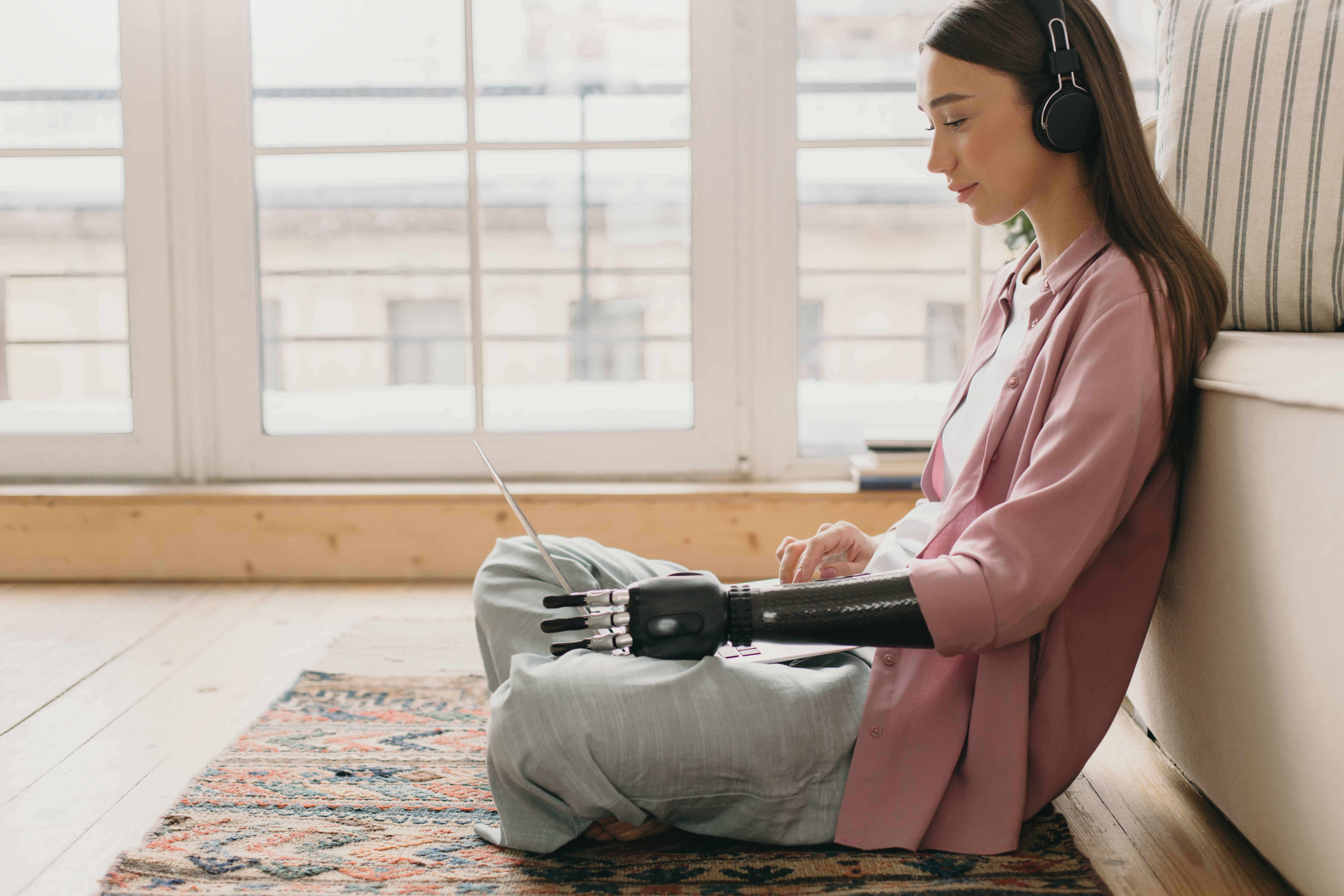
Personalization is at the heart of adaptive wellness strategies. Each individual’s experience with disability is unique, and a one-size-fits-all approach is often inadequate. By tailoring strategies to the individual, mental health professionals can address specific needs and preferences, leading to more effective outcomes.
For instance, adaptive strategies might include therapies that incorporate assistive technologies or techniques designed to accommodate physical limitations. These personalized approaches ensure that the mental health support is both accessible and effective.
Assistive Technologies
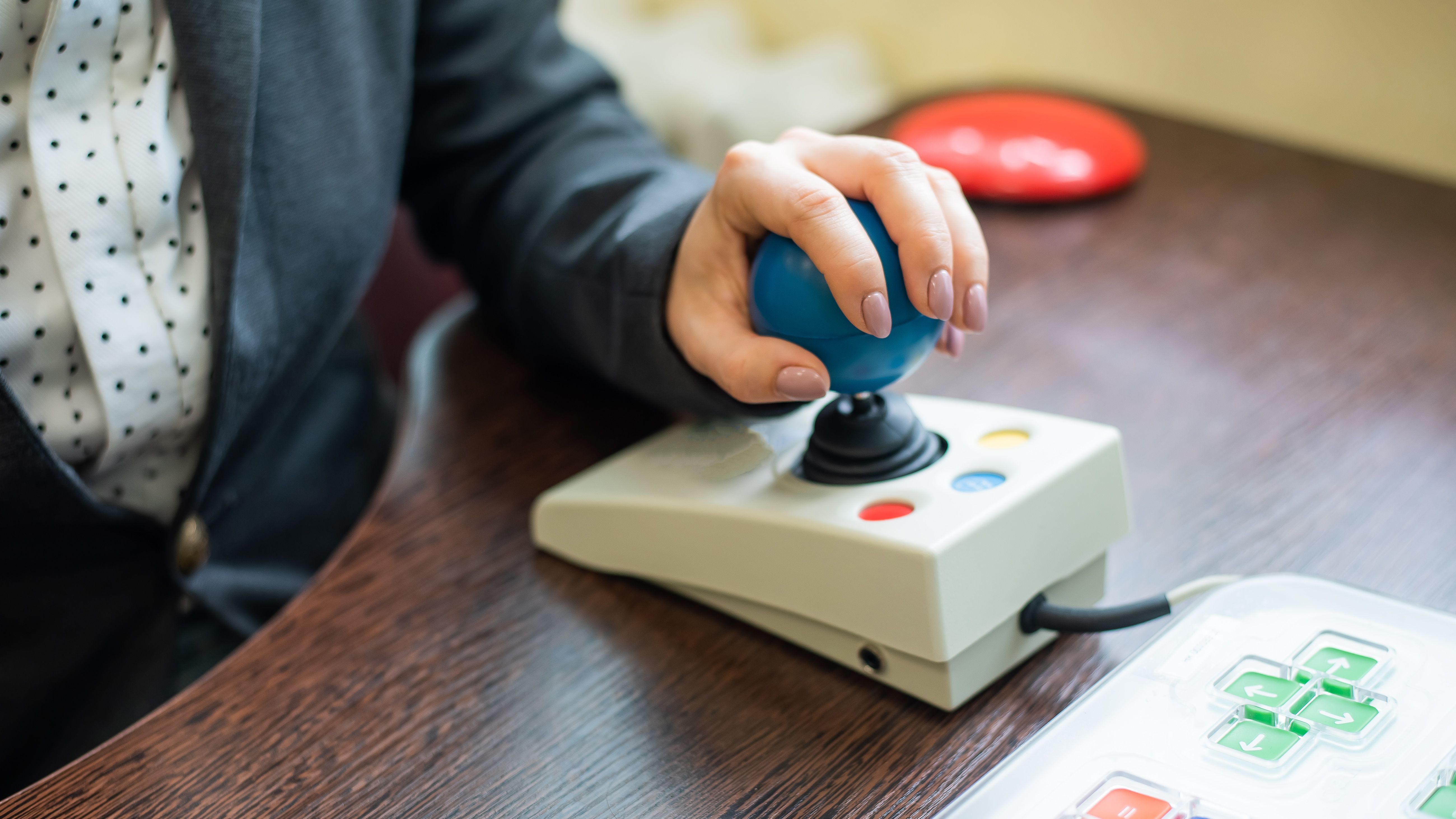
Assistive technologies play a crucial role in adaptive wellness. Tools such as voice-activated devices, specialized software, and adaptive communication aids can vastly improve access to mental health resources. These technologies not only facilitate better communication but also enhance the ability to engage in therapeutic activities.
Building a Supportive Environment
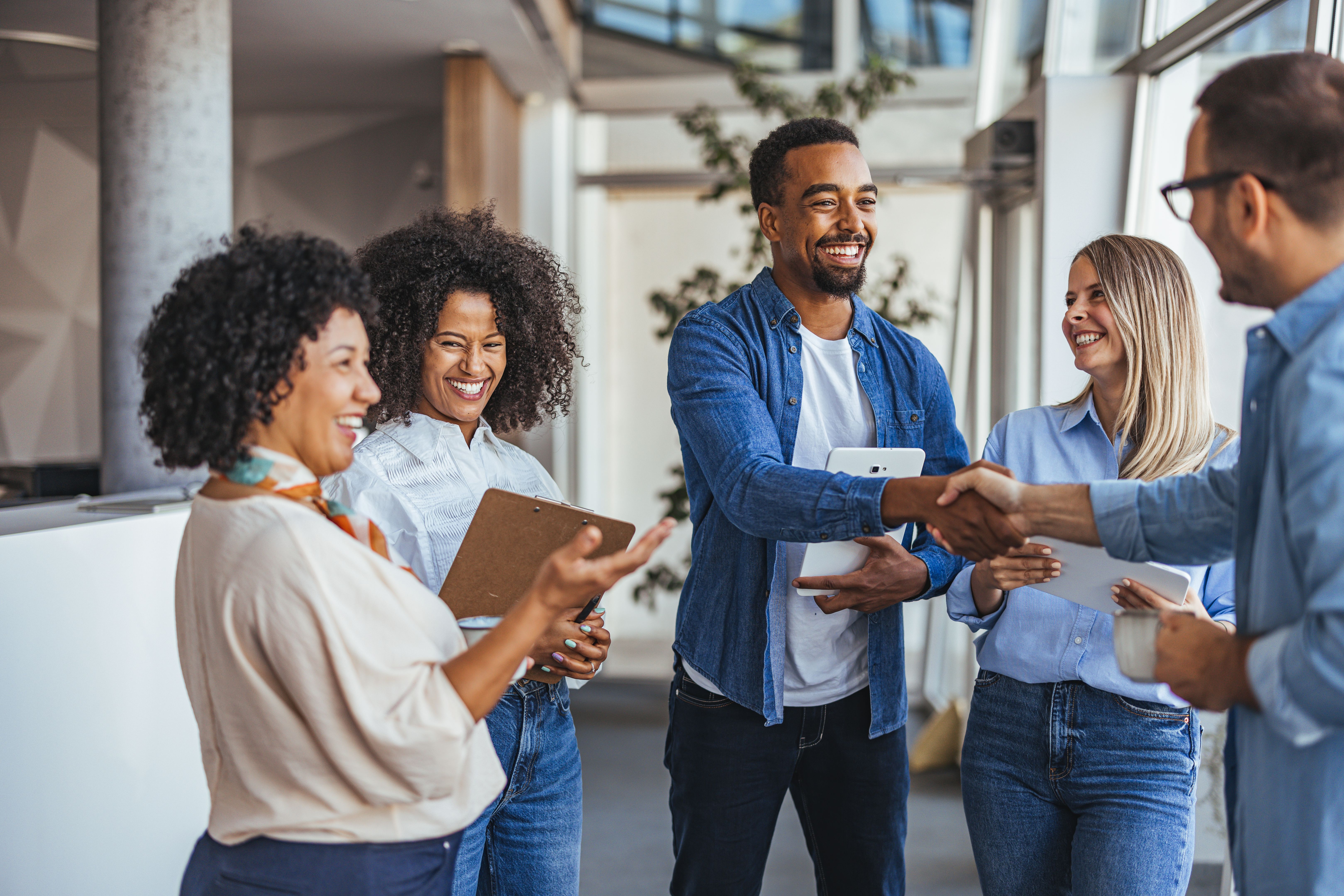
Creating a supportive environment is essential for the success of adaptive wellness strategies. This involves fostering a community that understands and accommodates the needs of individuals with disabilities. Support networks, including family, friends, and mental health professionals, play a significant role in this process.
Encouraging open communication and promoting awareness about disabilities can help reduce stigma and build a more inclusive community. Supportive environments empower individuals with disabilities to pursue their mental health goals with confidence.
Community Engagement
Engaging with the community is another important aspect of adaptive wellness. Participating in community activities and initiatives can provide a sense of belonging and improve mental well-being. Many organizations offer programs specifically designed for individuals with disabilities, promoting social interaction and personal growth.
Integrating Mindfulness and Relaxation Techniques
Mindfulness and relaxation techniques are integral components of adaptive wellness strategies. Practices such as meditation, deep breathing exercises, and yoga can help manage stress and anxiety, improving overall mental health. These techniques can be adapted to meet the needs of individuals with various disabilities, ensuring accessibility and effectiveness.
Incorporating these practices into daily routines can provide individuals with valuable tools to manage their mental health, promoting resilience and emotional well-being.
Therapeutic Benefits
Research has shown that mindfulness and relaxation techniques offer numerous therapeutic benefits. They can enhance focus, reduce symptoms of depression, and improve emotional regulation. By integrating these practices into adaptive wellness strategies, individuals with disabilities can experience significant improvements in their mental health.