![INCLUSIVE SOLUTIONS CONSULTING [ISC]](https://cdn.durable.co/logos/2eKXpUcfX8MocdYAjVs8P0KugSsTSLROITuiaL65LBqblSmBTqawZ7JDrp33CT7I.jpg)
Exploring the Latest Trends in Accessibility and Inclusion


Understanding Accessibility and Inclusion
In recent years, the focus on accessibility and inclusion has grown significantly. Businesses and organizations are recognizing the importance of creating environments that cater to everyone, regardless of their abilities. This shift is not just about compliance with regulations; it's about embracing diversity and ensuring equal opportunities for all.
Accessibility refers to the design of products, devices, services, or environments for people with disabilities. Inclusion, on the other hand, is about creating a sense of belonging for everyone, ensuring that all voices are heard and valued. Together, they form the backbone of a more equitable society.

Technology's Role in Accessibility
Technology has been a driving force in advancing accessibility. Innovations such as screen readers, voice recognition software, and smart home devices have transformed the way people with disabilities interact with the world. These tools have empowered individuals, providing greater independence and improved quality of life.
Companies are increasingly integrating accessible features into their products. For instance, many apps now include voice commands and text-to-speech options, making them more user-friendly for those with visual impairments. The rise of AI has further enhanced these capabilities, offering personalized solutions that adapt to individual needs.
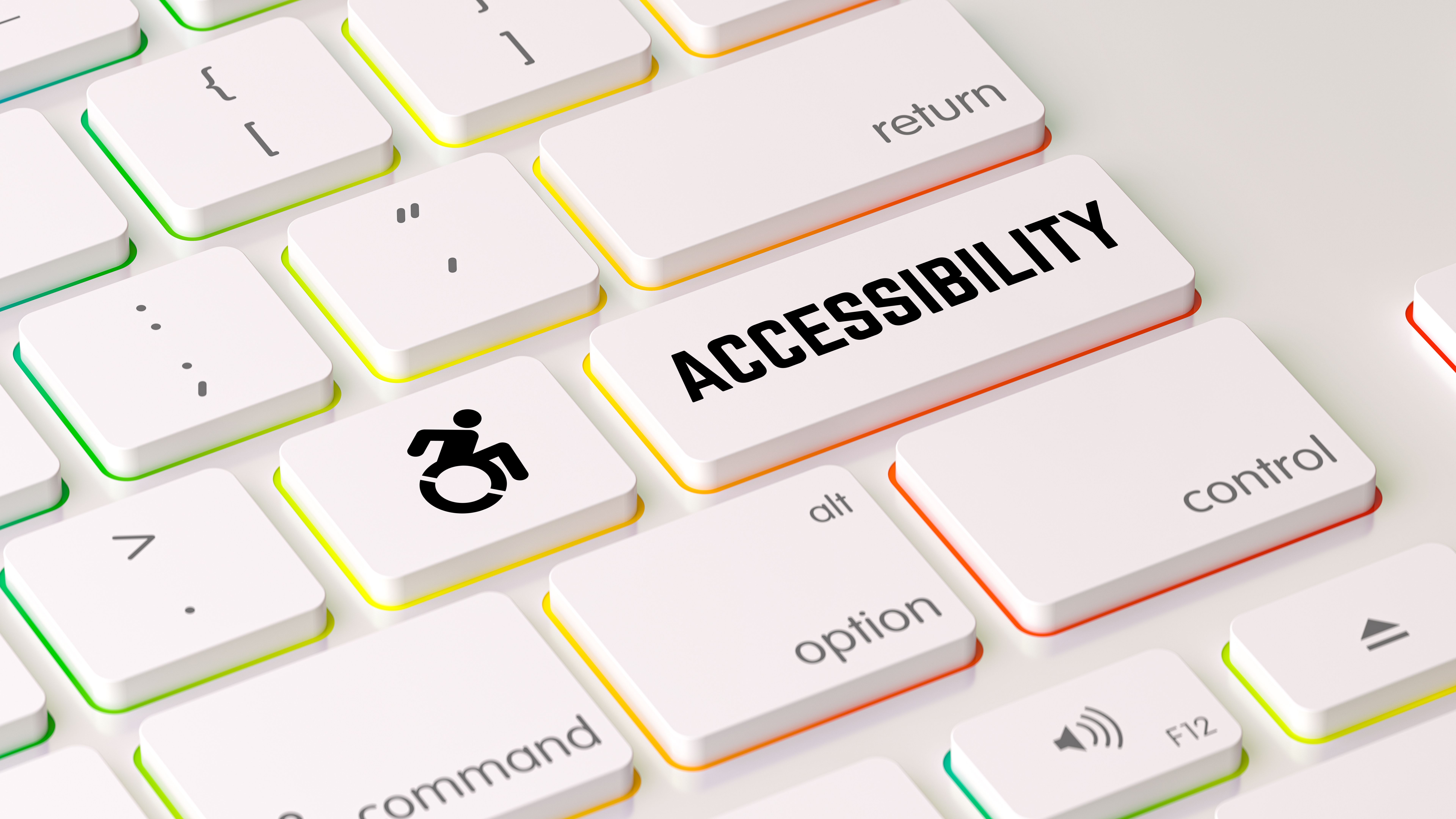
Inclusive Design in Action
Inclusive design is about creating products and environments that are usable by as many people as possible. This approach goes beyond simply meeting accessibility standards; it seeks to anticipate and accommodate a diverse range of needs from the outset. By considering different perspectives during the design process, products become more functional and enjoyable for everyone.
Some key principles of inclusive design include:
- Flexibility in use
- Simple and intuitive operation
- Perceptible information
- Tolerance for error

The Impact of Legislation
Legislation plays a crucial role in promoting accessibility and inclusion. Laws such as the Americans with Disabilities Act (ADA) and the Equality Act in the UK have set standards for accessibility, encouraging businesses to adopt inclusive practices. Compliance with these laws not only protects businesses from legal repercussions but also demonstrates a commitment to social responsibility.
These legal frameworks have led to significant improvements in public spaces, transportation, and digital platforms. As a result, individuals with disabilities can participate more fully in society, reducing barriers and fostering a more inclusive community.
The Future of Accessibility and Inclusion
Looking ahead, the focus on accessibility and inclusion is expected to intensify. As societal awareness grows, so will the demand for more inclusive products and services. Businesses that prioritize these values will likely see benefits in terms of brand loyalty, customer satisfaction, and overall success.
Innovation will continue to drive this movement forward, with emerging technologies offering new possibilities for enhancing accessibility. By keeping pace with these trends, organizations can play a pivotal role in shaping a more inclusive future.