![INCLUSIVE SOLUTIONS CONSULTING [ISC]](https://cdn.durable.co/logos/27sJF9k1GamJL89iBexaPGaSXAbQZs4C3WWuSHrJ2XiaJgA81fqwzeDcbYcjXdL0.jpg)
Success Stories: Transformative Mentorship for People with Disabilities


Introduction to Transformative Mentorship
Mentorship can be a powerful catalyst for growth and development, especially for individuals with disabilities. By providing guidance, support, and resources, mentors play a crucial role in helping their mentees overcome challenges and achieve their goals. This blog post will explore some inspiring success stories that highlight the transformative impact of mentorship for people with disabilities.
Mentors can come from various backgrounds and bring unique perspectives that enrich the mentoring experience. Whether it's through professional guidance or personal support, mentors help bridge gaps and create opportunities for success.

The Role of Mentorship in Skill Development
One of the most significant benefits of mentorship is skill development. Many people with disabilities face barriers in accessing education and training, but mentors can help navigate these challenges. By developing tailored learning plans and offering one-on-one support, mentors enable their mentees to acquire new skills and knowledge.
Consider the story of Jane, a young woman with a visual impairment. With the help of her mentor, she learned to use assistive technology effectively, which opened up new possibilities in her career. Jane's mentor not only taught her technical skills but also boosted her confidence, empowering her to pursue her dreams.
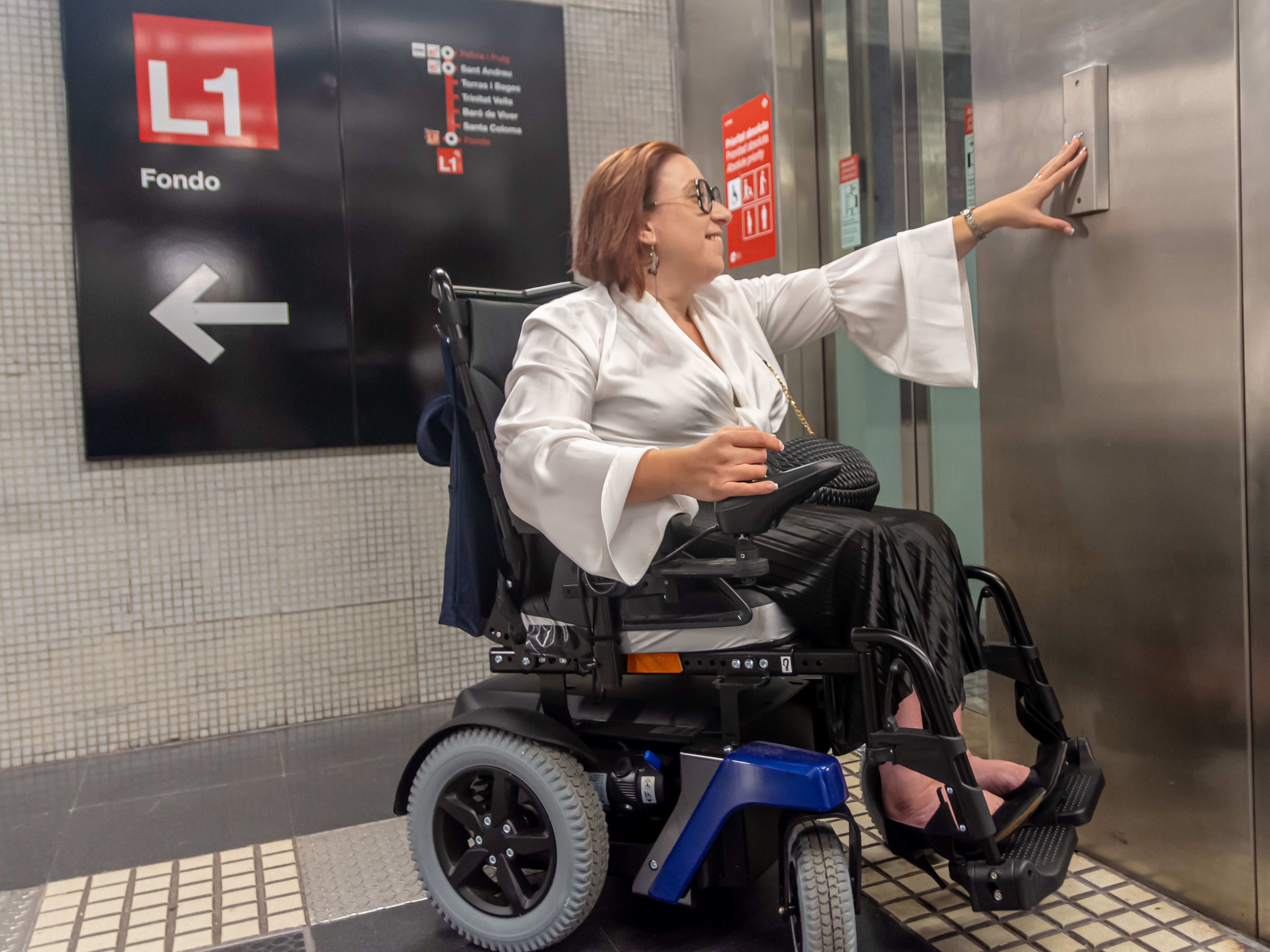
Building Confidence and Independence
Beyond skills, mentorship fosters confidence and independence. Many individuals with disabilities experience low self-esteem due to societal attitudes and misconceptions. Mentors can provide a supportive environment where mentees feel valued and capable.
Take the example of Mike, who has a physical disability. His mentor encouraged him to participate in community activities and pursue his passion for public speaking. Through this encouragement, Mike gained the self-assurance needed to become an advocate for disability rights.

Networking and Career Opportunities
Mentorship also opens doors to networking and career opportunities. Mentors often have connections within various industries and can introduce their mentees to key individuals who can help advance their careers. This can be especially valuable for people with disabilities who may face additional hurdles in the job market.
Sarah, for instance, connected with her mentor through a professional association. Her mentor introduced her to a network of professionals who were instrumental in helping her secure a job in her chosen field. This not only enhanced her career prospects but also expanded her professional network.
Creating Inclusive Communities
Through mentorship, communities become more inclusive and supportive. By fostering understanding and empathy, mentorship helps break down barriers and promote inclusion. Mentors and mentees often work together to raise awareness about disability issues, creating a ripple effect of positive change.
Many organizations have recognized the value of mentorship programs and are actively working to implement them. These programs not only benefit individuals but also enrich the wider community by promoting diversity and inclusion.

Conclusion: The Lasting Impact of Mentorship
The stories shared in this post are just a few examples of the transformative power of mentorship for people with disabilities. By providing guidance, support, and opportunities, mentors help their mentees overcome challenges and achieve their goals. The impact of mentorship extends beyond individual success, contributing to more inclusive and supportive communities.
As we continue to champion equal opportunities for all, mentorship remains a vital tool in empowering individuals with disabilities to thrive and succeed.