![INCLUSIVE SOLUTIONS CONSULTING [ISC]](https://cdn.durable.co/logos/27sJF9k1GamJL89iBexaPGaSXAbQZs4C3WWuSHrJ2XiaJgA81fqwzeDcbYcjXdL0.jpg)
Top Misconceptions About Disability Inclusion in the Workplace


Understanding the Importance of Disability Inclusion
Disability inclusion in the workplace is essential for creating a diverse and dynamic environment. However, several misconceptions hinder the progress of inclusive practices. By addressing these myths, organizations can foster a more equitable and productive workplace for everyone.

Misconception 1: People with Disabilities Are Less Productive
A common myth is that employees with disabilities are less efficient than their non-disabled counterparts. In reality, many individuals with disabilities bring unique skills and perspectives that enhance productivity. Studies have shown that inclusive workplaces benefit from increased innovation and creativity.
Misconception 2: Accommodations Are Too Costly
Another widespread belief is that accommodating employees with disabilities is prohibitively expensive. However, most accommodations are cost-effective or even free. Simple adjustments, such as flexible work hours or specialized software, can significantly enhance accessibility without breaking the bank.
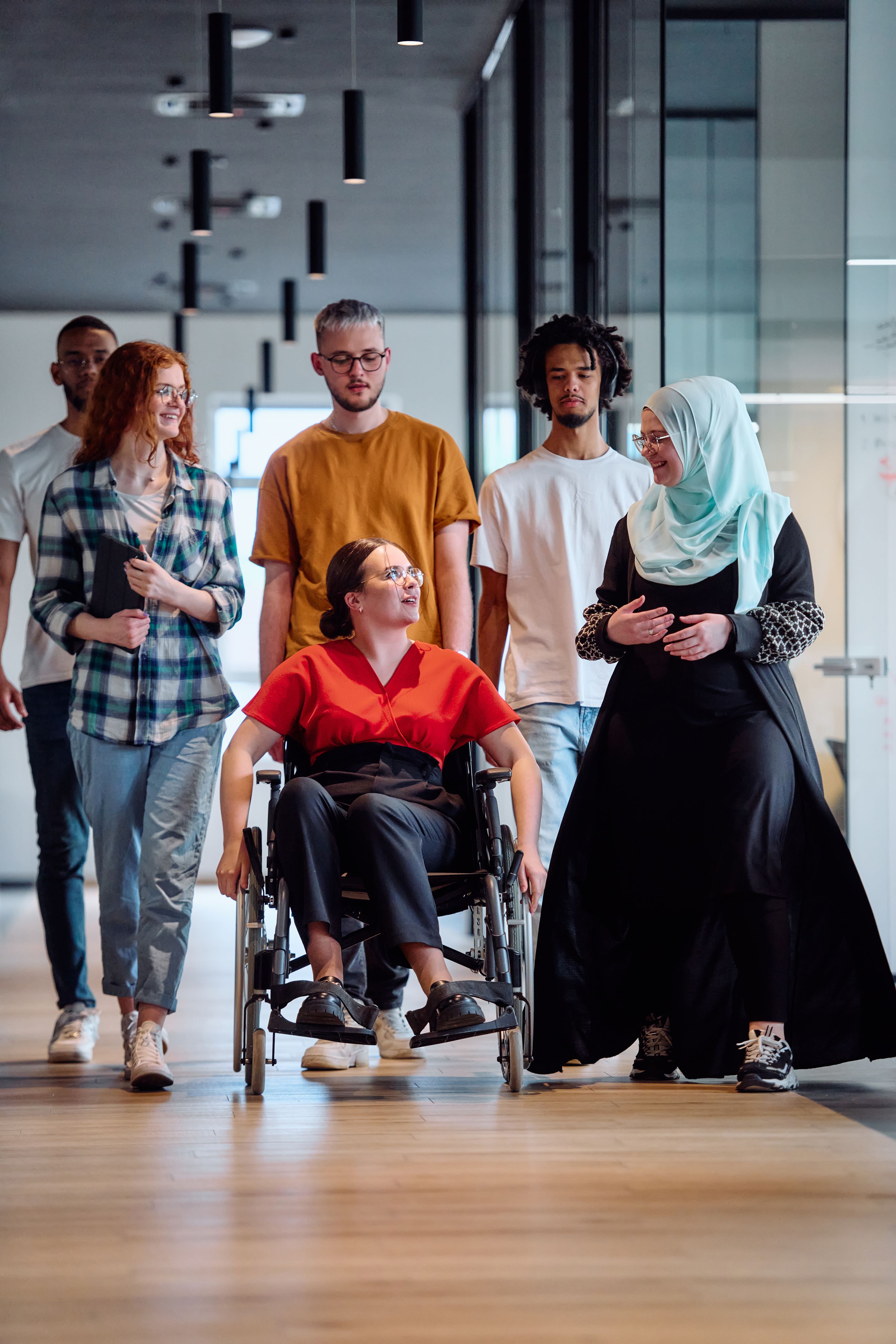
Breaking Down Barriers
Embracing disability inclusion requires a commitment to breaking down barriers. This involves not only providing physical access but also ensuring that company culture promotes acceptance and understanding.
Misconception 3: Disability Inclusion Only Benefits Those with Disabilities
Inclusion efforts are often mistakenly viewed as beneficial solely for those with disabilities. In truth, fostering an inclusive environment benefits everyone. It encourages empathy, collaboration, and a broader perspective on problem-solving.

Misconception 4: Legal Compliance Equals Inclusion
Meeting legal requirements, such as the Americans with Disabilities Act (ADA), does not automatically make a workplace inclusive. True inclusion involves proactive measures to create an environment where all employees feel valued and supported.
Building an Inclusive Culture
Creating a truly inclusive workplace goes beyond policy changes. It requires a cultural shift towards valuing diversity and understanding the unique contributions of each employee.
Misconception 5: Disabilities Are Always Visible
Not all disabilities are visible, and assuming otherwise can lead to misunderstandings. Conditions such as mental health disorders and chronic illnesses may not be apparent but still require consideration and accommodation.
By addressing these misconceptions, organizations can take meaningful steps toward creating a more inclusive and equitable workplace. It’s not just about compliance or charity; it’s about recognizing the value of every individual and harnessing the full potential of a diverse workforce.