![INCLUSIVE SOLUTIONS CONSULTING [ISC]](https://cdn.durable.co/logos/27sJF9k1GamJL89iBexaPGaSXAbQZs4C3WWuSHrJ2XiaJgA81fqwzeDcbYcjXdL0.jpg)
Understanding Holistic Wellness for Disabilities: A Comprehensive Guide


Introduction to Holistic Wellness for Disabilities
Holistic wellness is an inclusive approach that considers the whole person, focusing on physical, emotional, mental, and social well-being. For individuals with disabilities, this comprehensive approach can offer a path to improved quality of life. Understanding holistic wellness involves recognizing the unique challenges faced by those with disabilities and tailoring strategies to meet their specific needs.
Physical Wellness
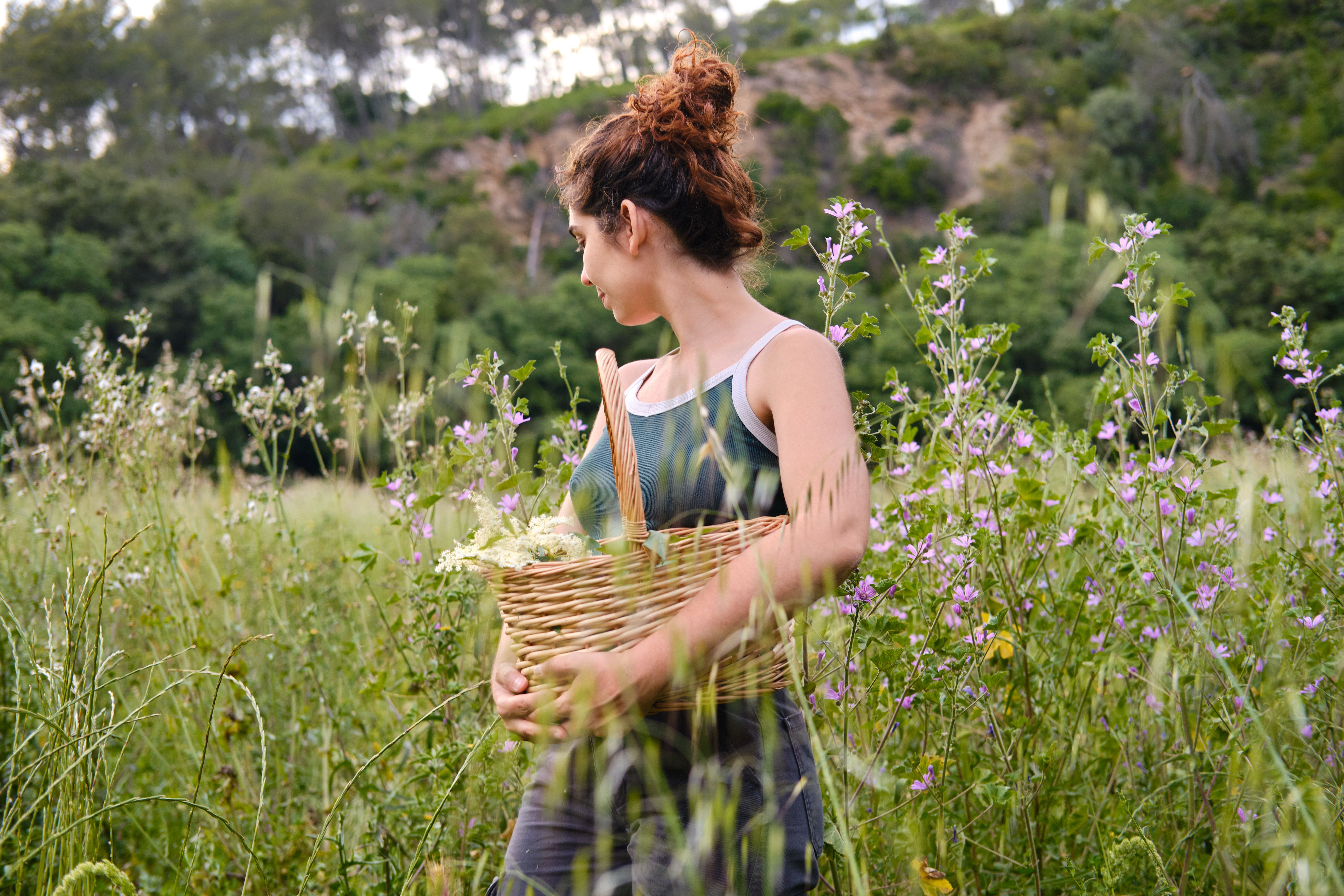
Physical wellness is a fundamental aspect of holistic health. For individuals with disabilities, maintaining physical health can be challenging but crucial. Adaptive physical activities, personalized exercise programs, and physical therapy can play significant roles in enhancing mobility and reducing pain. Accessible fitness resources and equipment are essential in supporting these efforts.
Nutrition is another critical component. A balanced diet tailored to an individual's specific needs can improve energy levels and overall health. Consulting with a nutritionist experienced in working with disabilities can provide valuable insights and personalized dietary plans.
Emotional and Mental Wellness
Emotional and mental health are integral to holistic wellness. For individuals with disabilities, managing stress, anxiety, and depression may require specialized support. Therapy, counseling, and mindfulness practices can be effective in addressing these challenges. Access to mental health services that understand the unique experiences of those with disabilities is vital.
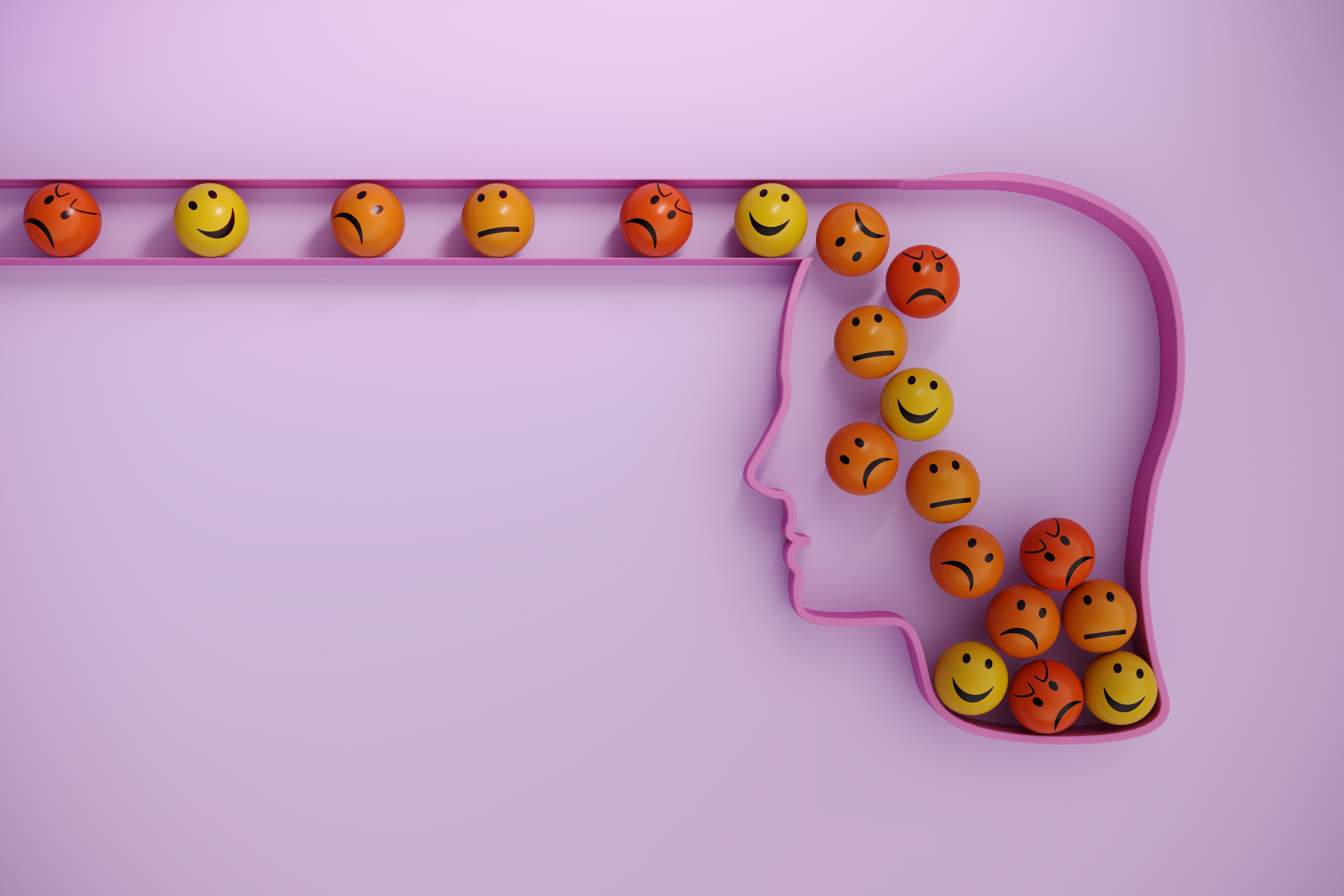
Social support also plays a significant role in emotional wellness. Building a network of friends, family, and community members who offer understanding and encouragement can make a substantial difference in an individual's mental health.
Social Wellness
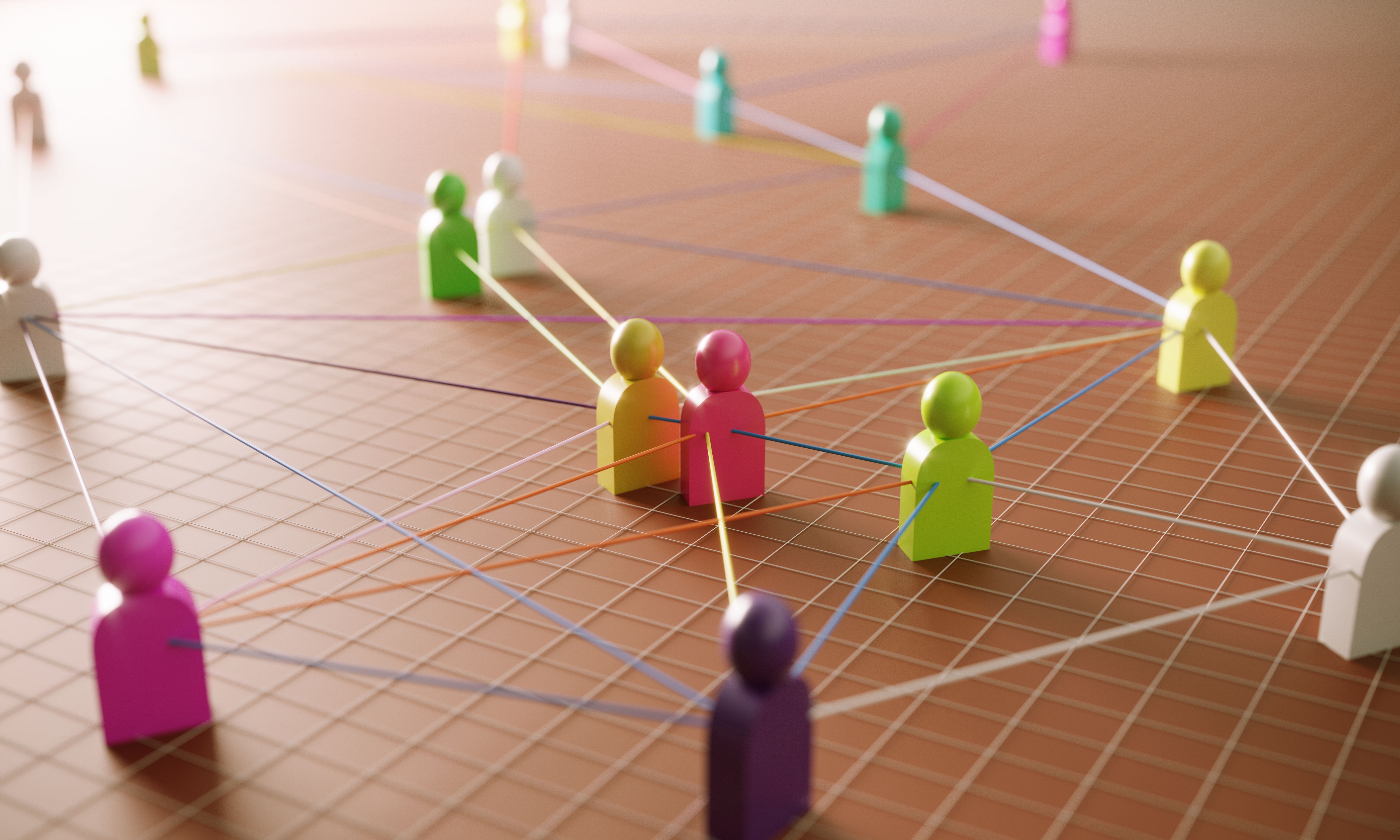
Social wellness emphasizes the importance of relationships and community connections. For individuals with disabilities, fostering social interactions can sometimes be difficult due to accessibility issues. Creating inclusive environments that promote interaction and engagement is essential.
Participation in social activities, support groups, and community programs can enhance social wellness. These opportunities not only provide social interaction but also empower individuals by fostering a sense of belonging and purpose.
Integrating Holistic Practices
Integrating holistic practices into daily life requires a personalized approach. Collaboration with healthcare providers, therapists, and support networks can help tailor these practices to an individual's unique needs. Prioritizing balance and adaptability ensures that wellness strategies are sustainable and effective.
Practices such as yoga, meditation, and art therapy can be adapted to suit different abilities and preferences. These activities promote relaxation, self-expression, and overall well-being, contributing to a holistic lifestyle.
Conclusion
Understanding holistic wellness for disabilities involves recognizing the interconnectedness of various aspects of health. By addressing physical, emotional, mental, and social dimensions, individuals can lead more fulfilling lives. Embracing a holistic approach not only enhances well-being but also empowers individuals with disabilities to thrive in their unique journeys.